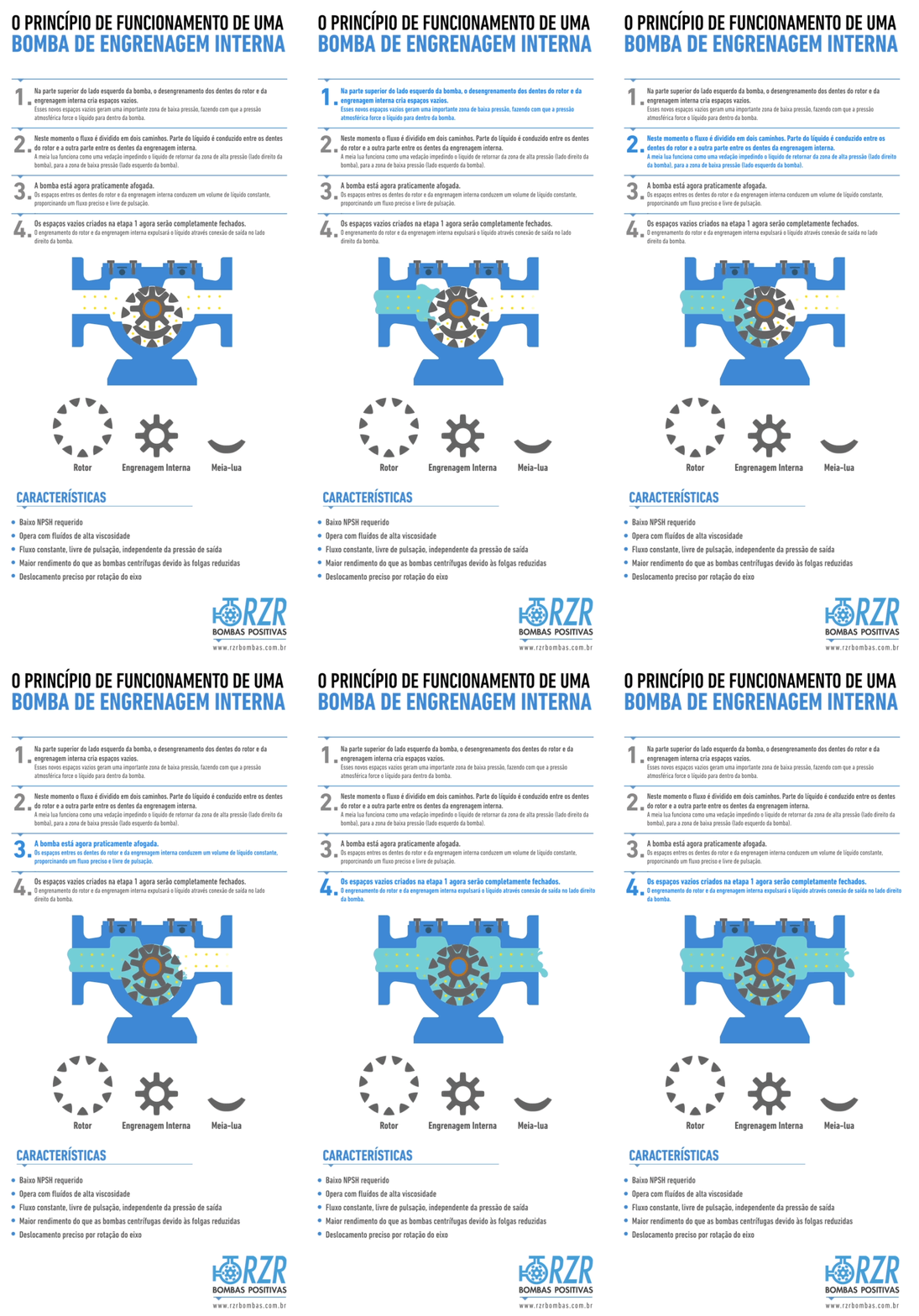
How an Internal Gear Pump Works
Internal Gear Pump: Technology, Efficiency, and Industrial Reliability
Internal gear pumps are widely used for transfer, boosting, and metering duties across a broad range of industrial segments. Below are the key advantages of the internal gear design compared with conventional external gear pumps:
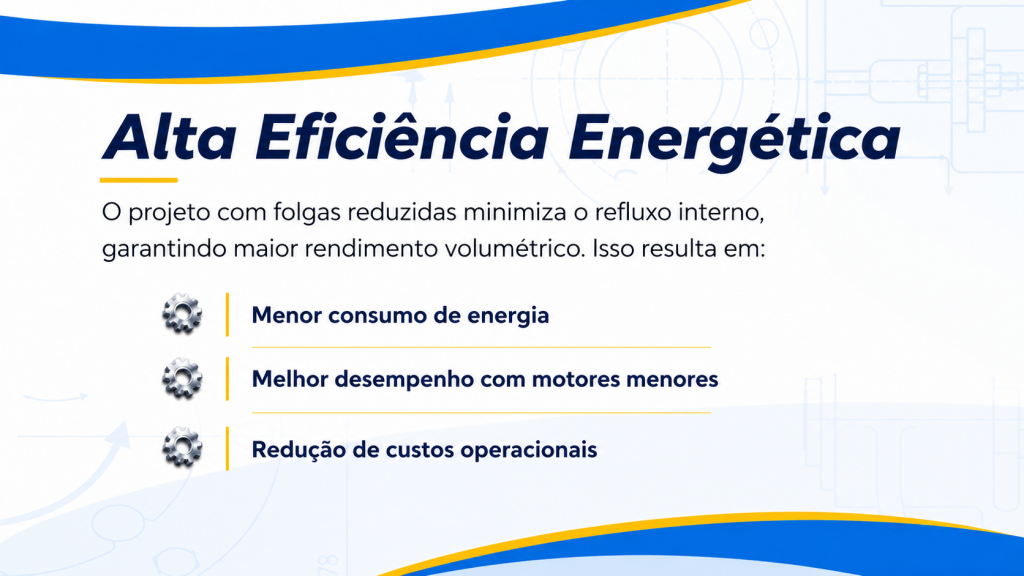
Higher Volumetric Efficiency
The gear tooth profile, with its tight clearances, prevents product from recirculating back to the suction side of the pump, delivering higher efficiency than external gear designs. This also translates into energy savings, since the pump can be driven by a lower-horsepower motor
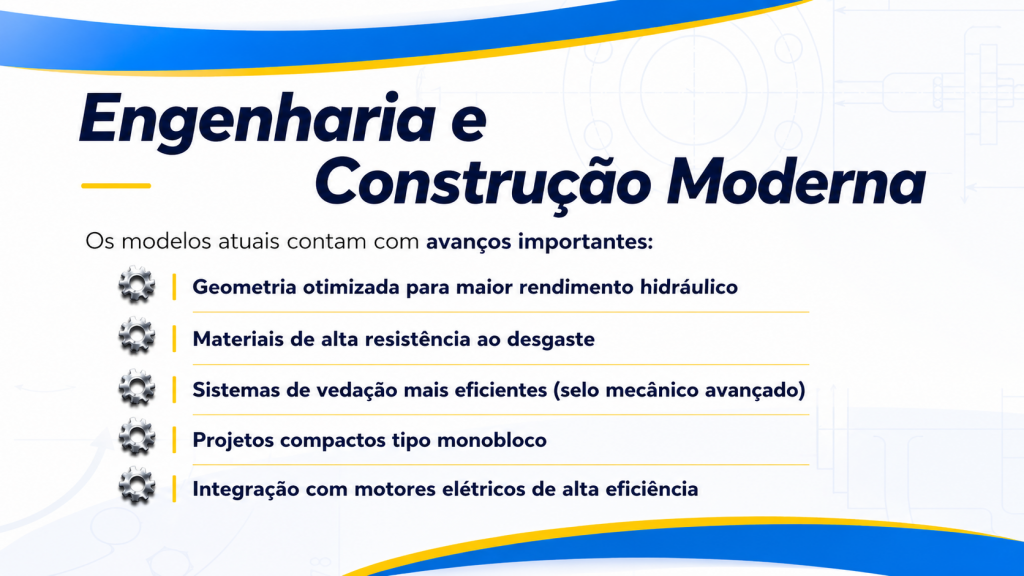
Higher Reliability and Longer Service Life
While packing seals commonly used on external gear pumps carry a lower upfront cost, they become more prone to failure and leakage at higher operating speeds.
Combined, equipment replacement costs and downtime add up to significantly higher long-term process costs.
Standard internal gear models fitted with mechanical seals run for long periods without failure, delivering higher reliability at operating speeds up to 1,750 RPM.

 Sales: (11) 4426-7632 Request a Quote